
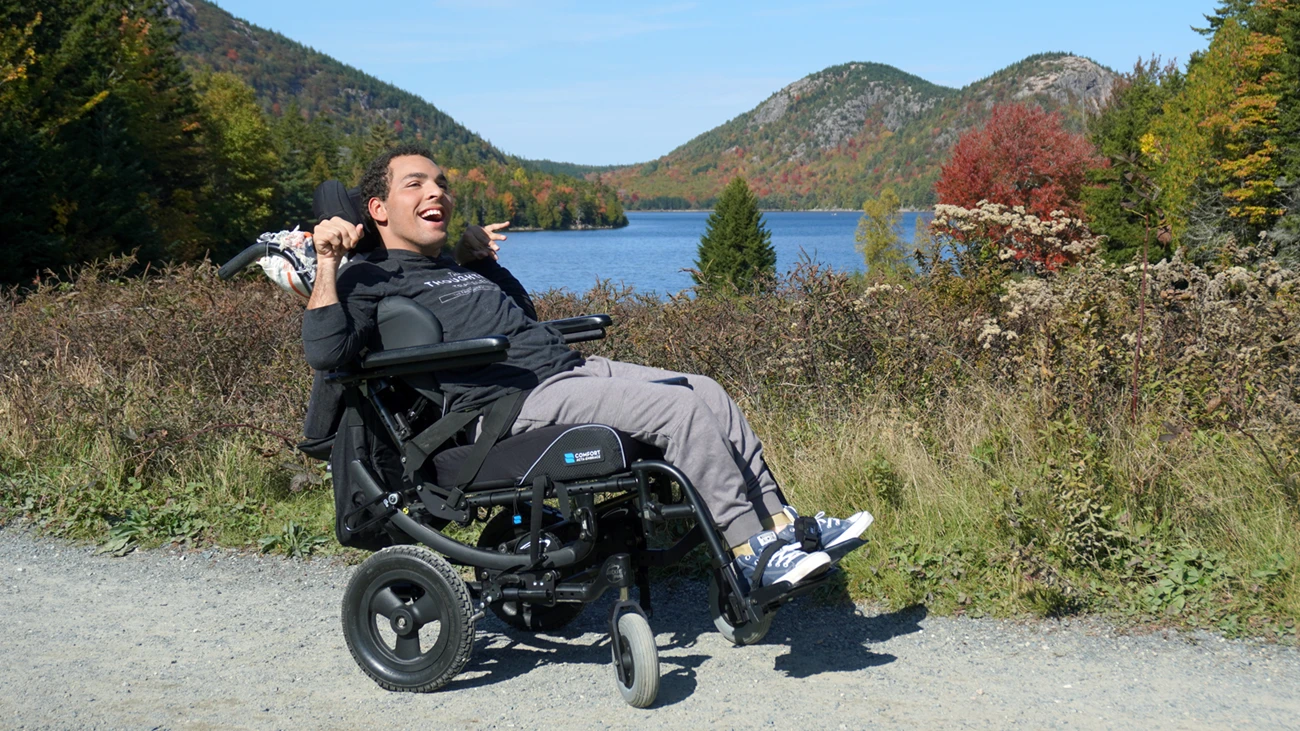
There is nothing quite like the pull of America’s public lands. The sweeping vistas of our nation’s amazing national parks are the places that are supposed to belong to all of us. But for anyone who navigates the world on wheels, uses a mobility scooter, or relies on any kind of adaptive gear, hitting a national park often looks less like an adventure and more like a logistical headache.
That is why the recent policy shifts coming out of Washington demand our attention.
What is the EXPLORE Act’s “Access America” Mandate?
In late April, the House Subcommittee on Federal Lands held an oversight hearing on the implementation of the EXPLORE Act—specifically Title II, aptly named “Access America.” On paper, this landmark framework is exactly what the adaptive travel community has been begging for. It is a direct mandate to:
• Modernize outdated federal regulations.
• Streamline communication between clunky federal agencies.
• Invest in real, tangible adaptive infrastructure.
Under this act, we should see an increase in truly wheelchair accessible trails, adaptive kayaking launches, and digital maps that accurately detail where a scooter can and cannot go before you arrive at the trailhead.
It sounds like a massive victory, and in many ways, it is. But let’s look at the numbers.
The Reality Check: 400+ Reasons to Push for Better Accessibility
Right now, there are over 400 national park units across the United States. The vast majority of them still lack adequate, seamless accessibility.
Having a paved path that stops abruptly at a flight of rustic stone stairs isn’t true accessibility—it’s a tease. Real inclusion means being able to experience the heart of a destination, not just viewing it from a designated concrete square next to the parking lot.
The EXPLORE Act has the teeth to fix this, but a framework is only as good as its execution. Oversight hearings are a step in the right direction, but funding, broken ground, and poured concrete are what actually change the game for travelers with disabilities. This is an ongoing battle, and as a community, we need to keep the pressure on to ensure these promises turn into actual, physical progress.
National Park Service Updates: New Summer Rules for 2026
If you aren’t waiting around for Washington to finish paving the way and want to get out there right now, the National Park Service just dropped its Summer Access Plans. There is some genuinely good news for spontaneous road trippers.
If you have ever tried to coordinate the precise timing of a national park entry permit while balancing the complex logistics of adaptive travel, you know it is a nightmare. This summer, two of the biggest heavy hitters are dropping reservation requirements:
• Yosemite National Park: Has officially dropped its advance reservation and timed-entry requirements for the summer season.
• Arches National Park: Has ditched its advance booking pilot, pivoting instead to real-time traffic and crowd management.
AbleTravels Take
This shift back to real-time traffic management removes a massive barrier for adaptive travelers. It means fewer rigid digital hoops to jump through months in advance, giving us back a little bit of that old-school road trip freedom.
The momentum is shifting. Between the policy pushes in D.C. and more flexible access on the ground this summer, the door to America’s wild places is opening a little wider. Our public lands belong to everyone and it’s about time the infrastructure reflected that.
Pack the bags, charge the batteries, and let’s get out there and claim our view.
NOTE: I will be traveling to Acadia National Park in Maine next week and will report back just how accessible it is and documenting it on my TikTok and YouTube Channel.

0 Comments