
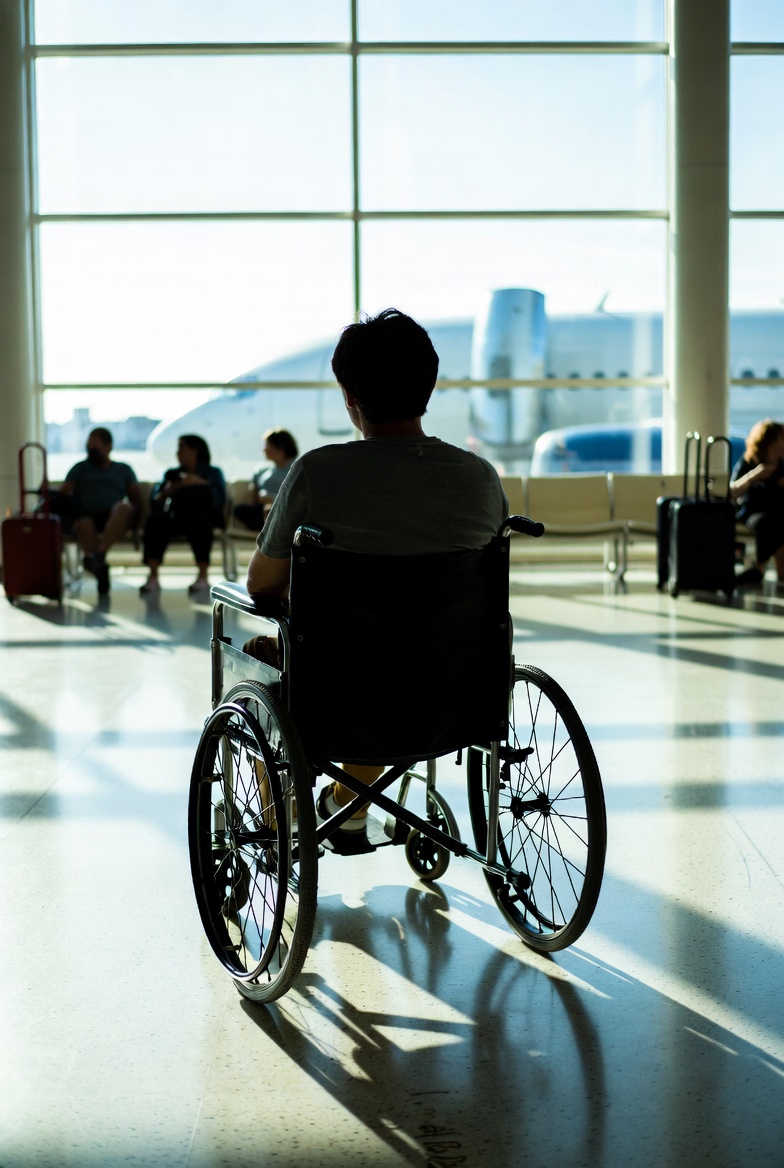
For many travelers, the thrill of a departing flight is a simple standard. However, for those with disabilities, the logistics of getting from Point A to Point B can often be overshadowed by concerns regarding equipment safety and personal dignity. Fortunately, the Air Carrier Access Act (ACAA), a landmark 1986 U.S. law, serves as a “bill of rights” to ensure air travel is accessible and non-discriminatory.
Understanding the ACAA transforms the flying experience from a game of chance into a standardized process protected by federal law.
Non-Discrimination and Pre-boarding
The foundational principle of the ACAA is that airlines cannot refuse transportation to a passenger based on their disability. This protection goes beyond just a seat on the plane; it covers the entire airport experience.
Pre-boarding Rights: Airlines are required to offer pre-boarding to passengers who self-identify as needing extra time to board.
Assistance: Carriers must provide help with boarding, deplaning, and making connections between flights.
The Safe Handling of Assistive Devices
One of the most critical aspects of the ACAA involves the treatment of wheelchairs and other mobility aids. Because these devices are essential for independence, the law provides specific safeguards:
No Extra Fees: Assistive devices do not count toward carry-on limits and cannot be charged extra for transport.
In-Cabin Storage: Aircraft with 100 or more seats are required to have space to store at least one folding wheelchair in the cabin.
Prioritized Care: Airlines have a legal obligation to return mobility equipment to the passenger in the same condition it was received.
Accessibility Features on Board
The design of the aircraft itself is regulated to accommodate various needs. The level of accessibility often depends on the size of the plane:
Aisle Armrests: Aircraft with 30 or more seats must have movable aisle armrests to facilitate easier transfers.
Accessible Lavatories: Planes with two aisles (wide-body aircraft) are required to have accessible lavatories.
On-Board Wheelchairs: Staff are required to assist with in-cabin mobility, including the use of an on-board wheelchair to help passengers access the restroom.
Knowing the Limits and Requirements
While the ACAA offers extensive protections, there are certain requirements and limitations passengers should be aware of:
| Feature | Requirement / Limit |
| Advance Notice | 48-hour notice may be required for medical oxygen or transporting electric wheelchairs on small planes. |
| Personal Care | Flight attendants are not required to assist with eating, administering medication, or bathroom assistance. |
| Service Animals | Airlines must permit service animals to accompany their owners in the cabin. |
| Seating | While airlines can’t force a passenger into a specific seat, they often offer bulkhead seating for those needing extra space. |
Reporting Violations
If a traveler feels their rights under the ACAA have been violated, they can report the incident directly to the Department of Transportation. By being proactive and informed, travelers can ensure that the sky remains open to everyone, regardless of mobility or disability.

0 Comments