
When FIFA announced a three‑nation World Cup in 2026 here in North America, I packed optimism right alongside skepticism and started mapping the circuit the way I always do, through the lens of access.
Here’s the good news: this World Cup is shaping up to be the most disability‑inclusive major sporting event ever staged. It’s not perfect as nothing is ever perfect, but several stadiums are setting a new global bar. These are the venues where access feels intentional, not improvised. And if you’re a World Cup fan with a disability, these are your best venue options.
United States: Big Venues, Bigger Strides
SoFi Stadium – Los Angeles
SoFi doesn’t just meet ADA requirements, it flexes them. From curb to seat, the experience is smooth: wide concourses, abundant elevators, clear sightlines from wheelchair seating, and companion seats that don’t isolate you. The sensory‑friendly rooms and assistive listening tech seal the deal.
Why it matters: Access here feels baked into the design, not bolted on and not an afterthought.
AT&T Stadium – Dallas
Everything is bigger in Texas and that includes accessibility. AT&T Stadium offers generous wheelchair seating across levels, step‑free entry points, and accessible parking that’s actually close. Staff are well‑trained, which can make or break game day.
Pro tip: Arrive early and use the exterior plazas; they’re flat, wide, and crowd‑friendly.
Mercedes‑Benz Stadium – Atlanta
This stadium gets it. Period. Braille signage, adult changing tables, low‑sensory spaces, and one of the most intuitive elevator systems in a mega‑venue. Add affordable concessions and you’ve got dignity on every level.
Access scorecard: Inclusive design + human‑centered operations.
Canada: Quietly Leading the Pack
BC Place – Vancouver
BC Place is a masterclass in universal design. The stadium integrates accessible seating seamlessly with the crowd, offers clear wayfinding, and provides assistive listening throughout. Vancouver’s transit system, which is fully accessible, makes getting there refreshingly easy.
Why I love it: No special routes. No side doors. Just inclusion.
BMO Field – Toronto
Recently renovated with accessibility front and center, BMO Field delivers improved ramps, upgraded seating options, and accessible washrooms that aren’t an afterthought. The surrounding area is flat and transit‑friendly, which matters more than most planners admit.
Watch for: Toronto traffic. It’s horrendous any day of the week. Plan extra time to arrive on time.
Mexico: Historic Passion, Modern Progress
Estadio BBVA – Monterrey
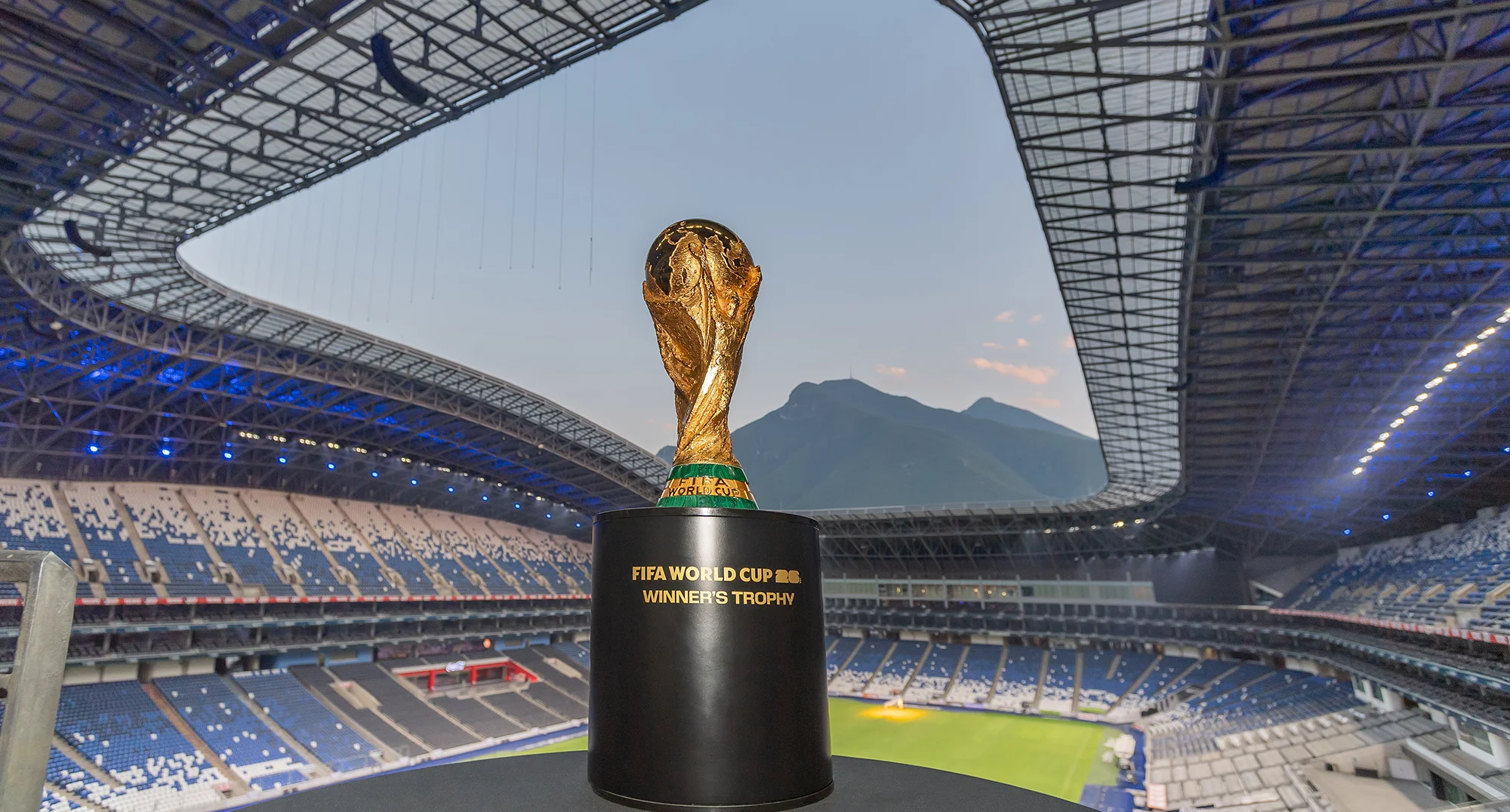
One of Latin America’s most modern stadiums, Estadio BBVA pairs dramatic design with thoughtful access: elevators, accessible seating with real sightlines, and wide concourses that can handle big crowds without bottlenecks.
Standout feature: Staff assistance is proactive and respectful. You can’t ask for much more than that.
Estadio Azteca – Mexico City
Azteca is iconic and old. But renovations tied to 2026 are improving access in meaningful ways: upgraded ramps, designated seating areas, and better restrooms. Is it perfect? No. Is it improving? Absolutely.
Reality check: Expect some challenges, but also progress worth acknowledging.

The Biggest Win
What excites me most isn’t just a list of stadiums, it’s a shift in mindset. World Cup 2026 is forcing accessibility into the global spotlight, and that pressure is producing results. When access works for fans with disabilities, it works better for everyone: parents with strollers, older fans, injured supporters, travelers hauling gear.
That’s the future I look toward.

0 Comments