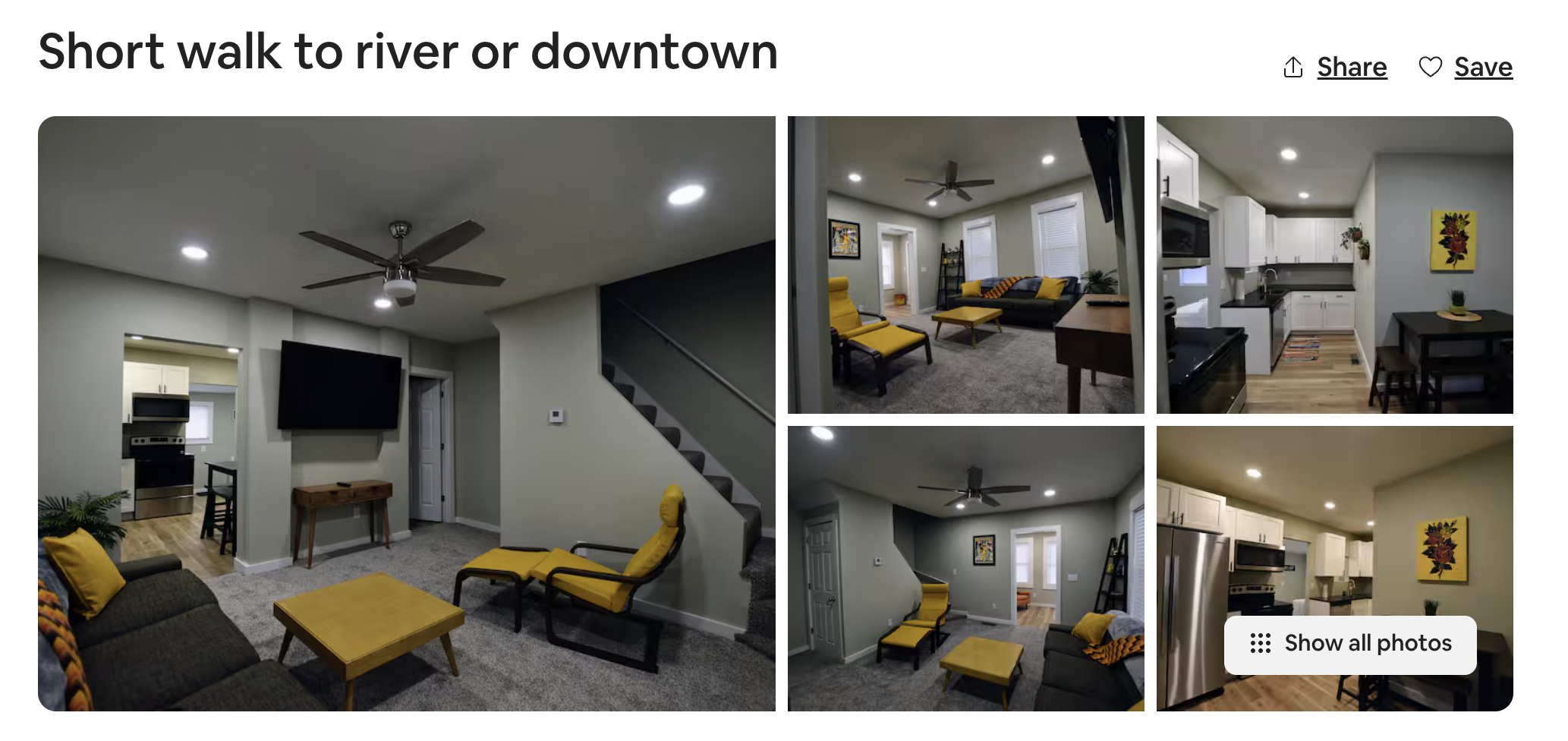
We’ve all seen it. You’re scrolling through Airbnb, looking at a hotel website, or reading a tourism brochure, and the description proudly boasts: “Just a short walk to downtown!” or “Completely walkable neighborhood!” To the average traveler, those phrases conjure up images of a breezy, care-free stroll to grab a morning coffee. But for those of us navigating the world with mobility challenges, chronic illness, or injuries, those two little words—”short walk”—don’t signal convenience. They signal anxiety.
It’s time to call it what it is: the language of modern travel is inherently ableist, and the casual use of “walkability” as a universal gold standard needs to change.
The Problem with “Short”: Distance Isn’t the Same as Ability
The fundamental issue with “short walk” is that it relies entirely on a subjective, able-bodied baseline.
• Distance vs. Stamina: To a 25-year-old athlete, a “short walk” might mean half a mile. To someone with severe osteoarthritis, a respiratory condition, or a prosthetic limb, half a mile might as well be a marathon.
• The Terrain Bias: A quarter-mile on a flat, pristine indoor track is one thing. A quarter-mile up a 10-degree incline, over cracked brick sidewalks, across cobblestones, or over curbs without ramps is an entirely different story.
When property hosts or travel writers use these lazy shorthand phrases, they are unintentionally declaring their target audience: people who walk without pain, without assistance, and without second thought. It alienates a massive segment of the traveling public before they even pack a bag.
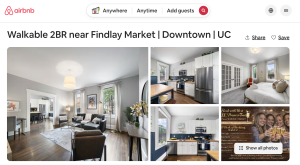
An AirBnB listing that describes the area as “walkable”.
“Walkable” Doesn’t Equal Accessible
We’ve seen a massive push in urban planning and tourism marketing toward “walkable cities.” While reducing car dependency is great for the environment, the travel industry has weaponized the term “walkable” as a synonym for “perfect location.”
Here is the reality check: a neighborhood can be highly “walkable” for some while being entirely inaccessible to others. If a district is packed with trendy shops but requires navigating steep hills, narrow sidewalks blocked by restaurant patios, or historic steps without handrails, it isn’t accessible. Labeling it “walkable” glosses over the physical barriers that exclude disabled travelers.
The AbleTravels Perspective: True hospitality means nobody has to guess whether they can physically reach the front door.
Why Metrics Matter More Than Adjectives
Am I saying we should banish the joy of exploring a city on foot? Of course not. But as travel writers, hospitality hosts, and tourism boards, we have an obligation to replace subjective, ableist adjectives with objective, measurable facts.
Let’s swap out the lazy shorthand for real data:
Instead of saying: “A short walk to the beach” say: “The beach is 400 feet from the property via a flat, paved concrete path.”
Instead of saying: “Located in a highly walkable district” say: “Located downtown with continuous sidewalks and curb cuts. The nearest restaurant is 0.2 miles away.”
Instead of saying: “Steps from the stadium” say: “The stadium entrance is 3 blocks away. Please note there is a steady uphill incline on the return route.”
Let’s Change the Standard
Words matter. When we use precise, factual descriptions instead of assuming every traveler has the same physical capabilities, we do more than just provide good customer service—we practice true inclusion.
The next time you’re booking a stay or reading a review, look past the “short walks.” Demand the metrics. And to the hosts and writers out there: let’s retire the ableist shorthand and start describing the world in a way that welcomes everyone to explore it.
What do you think? Leave a comment on this story and weigh in. We will also have a discussion on this on our Facebook page.

0 Comments