
For years, accessibility in travel has been treated like an add-on or something handled case by case, often reluctantly, and usually late in the planning process. That era is ending. A seismic shift is coming in travel thanks to an aging generation of Baby Boomers.
As the travel industry looks ahead to 2030, one reality is becoming impossible to ignore: accessibility is no longer optional. It’s becoming foundational to how travel is designed, marketed, sold, and experienced. According to recent industry analysis, this shift is being driven largely by the aging of the Baby Boomer generation, which is reshaping expectations across the entire travel ecosystem.
A Demographic Shift the Industry Can’t Ignore
By 2030, all 73 million Baby Boomers in the United States will be 65 or older. That milestone represents more than a birthday statistic; it signals a massive transformation in traveler needs and decision-making. This generation holds significant financial influence and continues to prioritize travel, but with that comes a rising expectation that destinations, accommodations, and experiences are accessible by default, not by exception.
From an AbleTravels perspective, this isn’t about “special needs.” It’s about reality. Mobility changes with age. Vision and hearing change. Stamina changes. Travelers don’t stop exploring, they adapt, and they expect the industry to adapt with them.
Accessibility Affects Entire Bookings, Not Just Individuals
One of the most overlooked truths about accessibility is that it rarely impacts just one traveler. Travel decisions are often made as families or groups, and if one person’s needs aren’t met, the entire trip can fall apart.
Industry data shows that multi-generational travel is accelerating, with grandparents increasingly traveling alongside children and grandchildren. If a hotel, cruise line, or tour operator fails to accommodate the accessibility needs of one family member, they don’t just lose one customer, they lose the entire booking.
At AbleTravels, we see this firsthand. Accessibility influences loyalty, brand trust, and reputation far more than many organizations realize.
The Cost of Getting It Wrong Is Already Visible
The demand for accessible travel isn’t theoretical — it’s measurable. Major travel providers are reporting tens of thousands of accessibility-related inquiries each month, a clear signal that travelers are actively seeking clarity and support. At the same time, research shows that a lack of accessibility information online can immediately disqualify a business in the eyes of travelers with disabilities.
Equally important is the economic impact. In 2025 alone, accessible luxury travel generated tens of millions of dollars in sales, reinforcing a critical point: accessibility and premium travel are not opposites. Travelers who require accessible experiences are not looking for discounts, they’re looking for reliability, dignity, and confidence.
Accessibility as the New Baseline
The framing of “Vision 2030” makes one thing clear: accessibility is transitioning from a compliance checkbox into a core quality standard. Just as travelers now expect clean rooms, reliable Wi-Fi, and transparent pricing, they will soon expect accurate accessibility information and thoughtfully designed environments.
At AbleTravels.com, we believe this shift represents one of the most important opportunities in modern travel. The brands that lead will be the ones that stop asking, “Do we have to?” and start asking, “How do we do this better?”
“In the coming years, accessibility will be woven into how travel is planned, sold, and experienced,” says Jake Steinman, Founder, Travelability. “Travelers will no longer view accessibility as an exception, but as an expectation of any destination, hotel, or venue.”
The Road Ahead
The coming years will test whether the travel industry is prepared to meet travelers where they are — not where systems were designed decades ago. Vision 2030 isn’t a distant concept; it’s a deadline that’s fast approaching.
Accessibility isn’t about future travelers. It’s about today’s travelers, today’s families, and today’s bookings. The choices the industry makes now will determine who thrives in the next decade — and who gets left behind.

About Vision 2030:
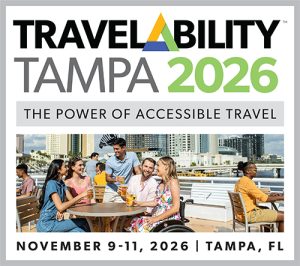
Vision 2030 is an industry-wide perspective focused on the intersection of aging demographics, wealth distribution, and the future of inclusive travel that will be integrated into the Travelability Summit in Tampa, November 9-11th.

0 Comments