
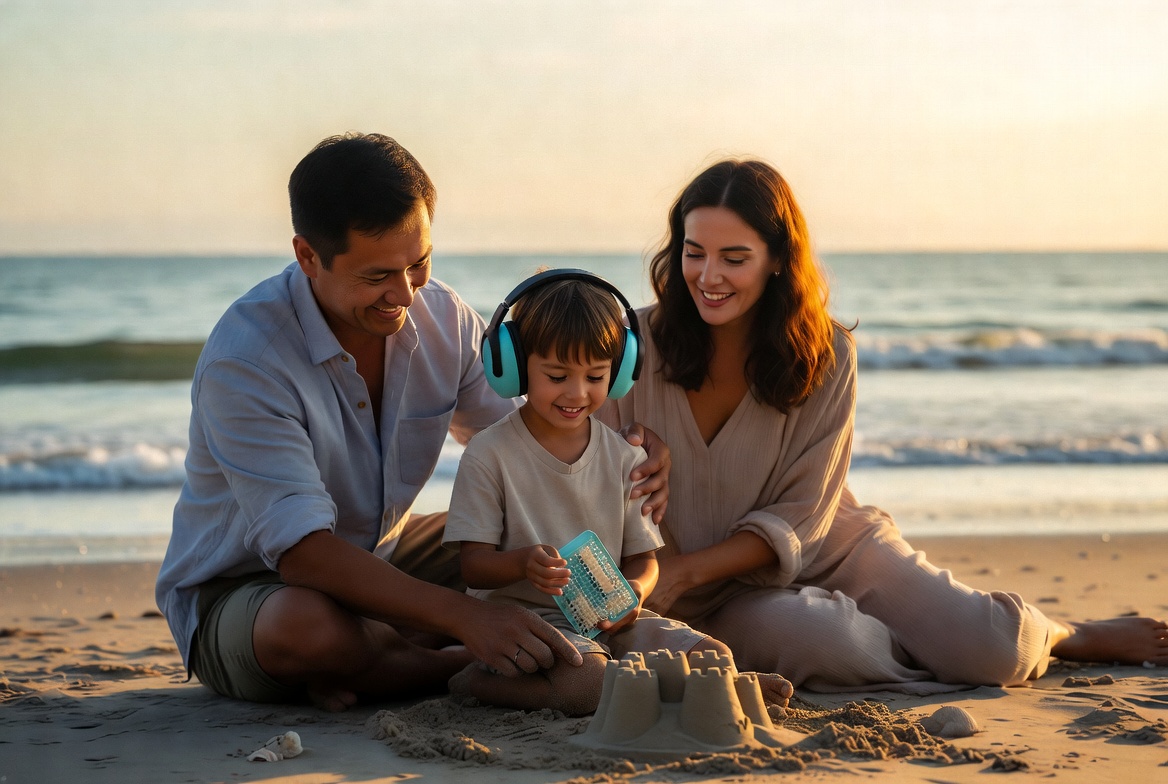
Planning a vacation with an autistic child can feel overwhelming, but it can also open the door to joyful, memorable family experiences when the trip is built around comfort, flexibility, and sensory needs. More movie theaters, stadiums, museums, zoos, aquariums, libraries, parks departments, and entertainment venues now offer sensory-friendly programs that make travel more welcoming for neurodivergent families. The key is knowing what to look for before you arrive and choosing outings that give your child room to enjoy the moment at their own pace.
Why Sensory-Friendly Activities Matter on Vacation
Vacations are full of new sounds, bright lights, crowds, unfamiliar routines, and unexpected transitions. For many autistic children, those changes can quickly become exhausting. Sensory-friendly activities help reduce that stress by offering quieter spaces, lower volume, flexible expectations, trained staff, visual supports, and opportunities to take breaks. Instead of forcing a family to “push through,” these programs make it easier to adapt the day around the child.
1. Watch a Sensory-Friendly Movie
A sensory-friendly movie can be a great first outing on vacation because it offers entertainment in a more relaxed setting. At participating theaters, lights may stay slightly brighter, the sound may be lowered, and children are typically welcome to move, talk, or take breaks without judgment. AMC Sensory Friendly Films, Regal My Way Matinee, Cinemark, Harkins, Studio Movie Grill, and other theater chains have offered versions of these screenings at select locations, so check the local schedule before your trip.
2. Visit a Stadium, Ballpark, or Arena With Sensory Supports
Sporting events can be loud and crowded, but many venues are becoming easier for families to navigate. Some stadiums and arenas offer sensory bags, quiet spaces, visual cue cards, trained staff, and clearly marked areas where guests can reset. Minor-league ballparks can also be a smart choice because crowds may be smaller and the atmosphere may feel less intense than a major-league game.
3. Try a Concert or Live Music Venue With Quiet Zones
For families who love music, a sensory-inclusive concert venue can make live entertainment more approachable. Some venues provide sensory bags, staff training, and quiet zones where guests can step away from the lights and sound. Before buying tickets, contact the venue to ask where the quiet space is located, whether headphones or sensory kits are available, and whether re-entry is allowed if your family needs a longer break.
4. Explore a Zoo, Museum, or Aquarium During Sensory-Friendly Hours
Zoos, museums, science centers, and aquariums are often vacation highlights, and many now offer sensory-friendly mornings or early-entry events. These programs may include reduced crowds, dimmed lights, lower sound levels, sensory maps, quiet rooms, and flexible activity stations. Visiting early in the day can also help your child explore before the venue becomes too busy.
5. Borrow a Sensory Bag at Guest Services
Example Implementation:
A sensory bag can make a big difference when plans change or stimulation builds. Many sensory-inclusive venues offer bags with noise-reducing headphones, fidget tools, visual cue cards, sunglasses, or weighted lap pads. These are often free to borrow, but availability can vary, so call ahead or ask guest services when you arrive.
6. Look for Adaptive Recreation Programs
Local parks departments, recreation centers, and resorts may offer adaptive swim lessons, inclusive playground programs, nature walks, or modified sports activities. These programs are often smaller, slower-paced, and led by staff who understand that families may need flexibility. They can be especially helpful for building confidence on a first day of vacation.
7. Attend a Sensory-Friendly Library Storytime or Quiet Hour
Public libraries can be wonderful low-cost vacation stops, especially on rainy days or between bigger outings. Many libraries offer sensory-friendly storytimes, quiet hours, craft programs, or children’s areas that allow families to slow down. Because libraries are often calmer than tourist attractions, they can also serve as a reset space during a busy trip.
8. Choose Early-Opening or Low-Crowd Times
Even when a venue does not advertise a formal sensory-friendly event, timing can help. Early mornings, weekday visits, off-season travel, and shorter outings can make an activity feel more manageable. If your child does better with predictability, review photos, maps, parking details, entrances, restrooms, and break areas before you go.
9. Build a Custom Adventure Around Your Child’s Interests
The best vacation activity is not always the biggest attraction. It might be a train ride, a beach walk, a quiet hotel pool, an arcade at opening time, a familiar restaurant, or a short visit to a favorite type of store. When the day is built around your child’s interests, the experience is more likely to feel successful for everyone.
10. Plan Breaks Before Your Family Needs Them
One of the most important parts of autism-friendly travel is scheduling downtime before anyone is overwhelmed. Build in hotel breaks, pool time, quiet meals, or low-demand afternoons. A successful vacation does not need to include nonstop sightseeing. In many cases, the calm moments are what make the bigger adventures possible.
How to Prepare Before You Go
• Call ahead to confirm sensory-friendly schedules, quiet room locations, sensory bag availability, and entry procedures.
• Pack familiar comfort items, snacks, headphones, sunglasses, fidgets, communication tools, and any visual supports your child uses.
• Use visual schedules, social stories, videos, or photos to preview the destination.
• Start with shorter visits and leave before the activity becomes too much.
• Ask staff for accommodations even if they are not heavily advertised.
Able Travels Takeaway: Sensory-Friendly Travel Is About Flexibility
Traveling with an autistic child does not have to mean avoiding new experiences. It means planning differently. By choosing sensory-friendly activities, confirming accommodations in advance, and giving your family permission to move at a comfortable pace, vacations can become less stressful and more meaningful. Whether your trip includes a movie, a museum, a ballgame, a library visit, or a quiet afternoon by the pool, the goal is the same: creating memories in a way that works for your child and your family.
Helpful Resources for Planning Sensory-Friendly Travel
• IBCCES Sensory Guides: Use these guides to preview how attractions, venues, and destinations may affect different senses before visiting.
• AccessibilityCertified.com: Search for Certified Autism Centers and other autism-informed locations with trained staff and accessibility-focused practices.
• KultureCity Sensory Inclusive locations: Look for venues that may offer sensory bags, quiet spaces, staff training, and other sensory-inclusive supports.
• AMC, Regal, and local theater sensory-friendly movie programs: Check participating theaters for lights-up, sound-down movie screenings and flexible viewing environments.
• Raising Brilliance: Explore location-specific guides and family-friendly recommendations for sensory-friendly activities in different areas of the country.
Want more autism travel news? Check out this article about what Carnival Cruise lines is doing for autism inclusivity.

0 Comments